Journal · Extensions
Types of hair extensions, explained
Types of hair extensions explained: sew-in, tape-in, k-tip, i-tip, hand-tied, clip-in and halo. What each is, who it suits, and what's offered in Athens, TN.
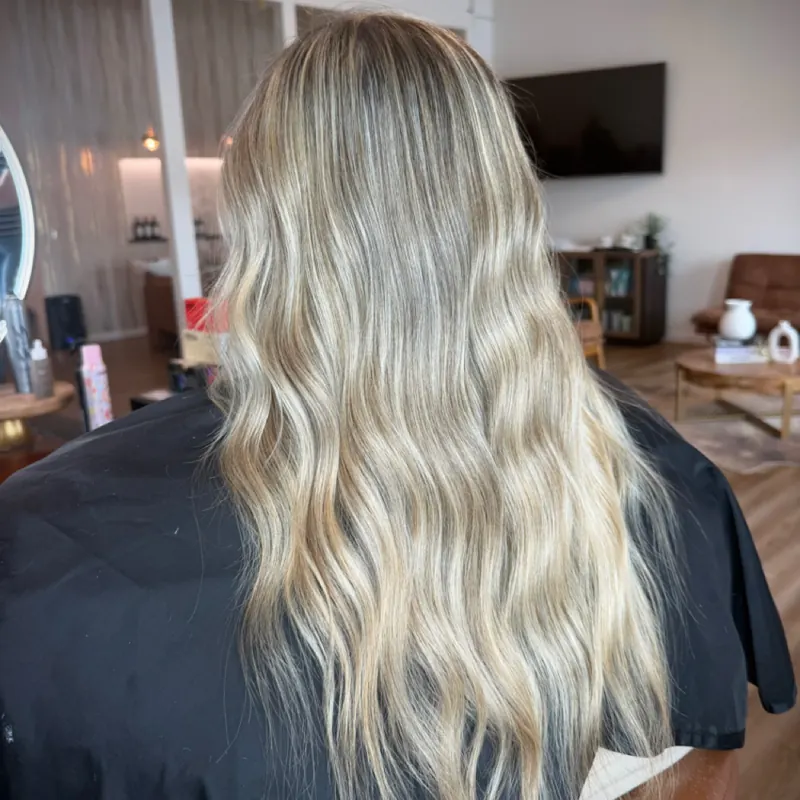
The main types of hair extensions are sew-in (beaded-row) wefts, tape-ins, keratin-bond (k-tip) extensions, i-tips, hand-tied wefts, clip-ins and halos. They differ in how they attach, how long they stay in and how much upkeep they need. At Cody & Co. in Athens, TN, the extension services listed are sew-in, beaded-row style installs and move-ups.
Walk into any conversation about extensions and the vocabulary piles up in a hurry. Wefts, bonds, beads, tapes, tips. The good news is that almost every method comes down to two questions: how does the hair attach to yours, and how often does it need attention?
This guide walks through each common type in plain English so you can show up to a consultation knowing what to ask. One note before we start: Cody & Co. lists sew-in, beaded-row style extensions as its extension service. The other methods below are here to help you understand your options, not as a menu. If you're curious about a specific method, ask Kayden Coile or Christina Morgan what is available.
Semi-permanent vs. temporary extensions
It helps to sort extensions into two families first.
- Semi-permanent extensions are installed by a stylist and stay in for weeks at a time. You sleep, wash and style with them in. Sew-in, tape-in, k-tip, i-tip and hand-tied all fall here.
- Temporary extensions go in and come out the same day, usually by you. Clip-ins and halos are the two you'll hear about most.
Semi-permanent methods look the most natural day to day, but they need regular maintenance. Temporary pieces need no appointments, but they take a few minutes to put on each time and can feel heavier by the end of the day.
Sew-in (beaded-row) extensions
With a sew-in, your stylist builds a secure foundation row close to the scalp, often using small beads, and then sews wefts of hair to that row. A weft is a long strip of hair joined at the top, like a curtain.
Why people choose it: no glue, no heat bonding and no adhesive residue. One row can hold a lot of hair, so it suits people who want real fullness as well as length. Adding a second or third row adds more volume.
What to know: as your hair grows, the row drops away from the scalp and needs a move-up, typically every several weeks. This is the method the salon lists. Kayden's new install is listed from $125 for the install service, with extension hair priced separately, and Kayden offers extension consultations at no charge. The sew-in extensions guide covers install day step by step.
Tape-in extensions
Tape-ins are thin panels of hair with a strip of medical-grade adhesive at the top. Your stylist sandwiches a small section of your hair between two panels.
Why people choose them: they lie flat, so they can work well for people who wear their hair down most of the time. Installs tend to be shorter than other semi-permanent methods.
What to know: tape-ins need to be removed with a solvent and re-taped as your hair grows, typically every six to eight weeks. Oils and some styling products near the scalp can loosen the bond. Tape-ins are not on the salon's service list; ask the extension artists if you're interested.
Keratin-bond (k-tip) extensions
K-tips are small strands of hair with a keratin-based bond at the top. A stylist melts or softens the bond around a tiny section of your hair using a heated tool, then rolls it into a small, flat bond.
Why people choose them: each strand moves independently, so the result can look very natural, including in updos and ponytails.
What to know: installation is detailed and can take several hours. Removal uses a special solution and pliers to break the bond. Because each bond is attached individually, they typically aren't moved up; they're removed and replaced. K-tips are not a listed service at Cody & Co.
I-tip (micro-bead) extensions
I-tips are small strands with a stiff tip that slides into a tiny bead along with a section of your hair. The bead is then clamped closed. No heat or glue is involved.
Why people choose them: strand-by-strand movement without heat, and the strands can usually be reused at a move-up.
What to know: beads can be felt at the scalp at first, and a clamp that's too tight or too heavy for your hair can cause stress. I-tips are not a listed service here; ask the extension artists for a recommendation.
Hand-tied wefts
Hand-tied wefts are made by tying hair onto a thread by hand, which creates a very thin, flexible weft. They're usually attached to a beaded row, much like a sew-in.
Why people choose them: the weft is thin and bends with the head, so it can sit flat even when you have several layered rows.
What to know: hand-tied wefts are delicate and generally shouldn't be cut across the top, so the stylist works around their set widths. Hand-tied wefts aren't listed as a separate service at Cody & Co. If you've heard about them, bring it up at your consultation.
Clip-in extensions
Clip-ins are wefts with small snap clips sewn on. You section your hair, clip them in near the root and wear them for the day.
Why people choose them: no appointments, no commitment, and they come out before bed. They're popular for weddings, photos and nights out.
What to know: the clips can pull if they're worn every day or slept in, and matching color and texture on your own takes practice. A stylist can blend and cut clip-ins for you.
Halo extensions
A halo is a single weft attached to a clear, adjustable wire. You set the wire on your crown like a headband and pull your own hair over it.
Why people choose it: nothing attaches to your hair at all, so it's a gentle way to add length for a day.
What to know: halos don't work well in high ponytails or very windy weather, and they suit people who already have enough hair on top to hide the wire.
How do you choose the right type?
Start with your goal and your hair, not the method.
- Your natural hair. Density, texture and condition matter most. Very fine or fragile hair may need fewer rows or a lighter method. See extensions for fine or thin hair.
- Your routine. If you work out daily or swim, ask how each method handles sweat and water.
- Your schedule. Semi-permanent methods mean appointments every several weeks. Be honest about whether that fits your calendar.
- Your budget. Count the hair, the install and the ongoing maintenance, not just day one.
A good consultation covers all four. Guests come to Athens from across East Tennessee, including Cleveland, about half an hour away, so it's worth booking that conversation before you commit to the drive for a full install.
Ready to talk it through?
Read more about the hair extensions service, then meet the team and book. Kayden Coile and Christina Morgan both list extensions as a specialty, and each artist's booking page shows current prices.
Common questions
What is the most natural-looking type of hair extension?
Most semi-permanent methods can look natural when they're color-matched and blended with a cut. The bigger factor is usually the skill of the install and how well the hair matches your own.
Which extensions does Cody & Co. offer?
The salon lists sew-in, beaded-row style extensions, including consultations, installs and move-ups. For tape-ins, k-tips, i-tips or hand-tied wefts, ask Kayden Coile or Christina Morgan what is available.
Are clip-ins better than permanent extensions?
Neither is better across the board. Clip-ins suit occasional wear with no maintenance, while semi-permanent methods suit people who want extensions every day without putting them in themselves.
Can I reuse extension hair?
Many wefts and some strand methods can be reused for a few move-ups if the hair is cared for. Your artist will check the condition of the hair at each appointment and confirm.